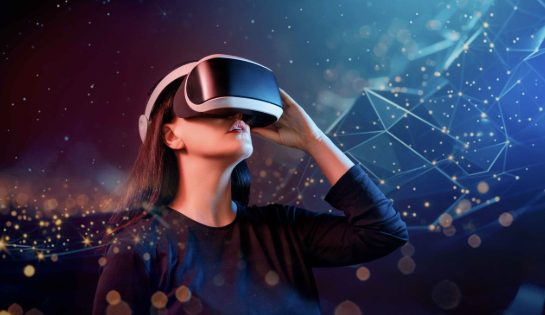
Virtual Reality (VR) represents a significant advancement in technology, offering users an immersive experience that mimics real or fictional environments. By engaging multiple senses, VR creates a strong sense of presence, allowing individuals to interact with digital content in innovative ways. Its applications span various fields, raising questions about its potential impact. As industries increasingly adopt this technology, understanding its core components and future implications becomes essential. What transformations might VR bring to our daily lives?
The Basics of Virtual Reality
Although often associated with gaming, virtual reality (VR) encompasses a broader spectrum of immersive experiences that simulate real or imagined environments.
By integrating sensory inputs—such as sight, sound, and touch—VR creates a compelling illusion of presence that captivates users.
This sensory integration facilitates profound emotional and cognitive engagement, enabling individuals to explore new realities and concepts, thus expanding their understanding and appreciation of the world around them.
Key Components of VR Technology
To fully understand virtual reality technology, one must consider its key components, each contributing to the immersive experience.
Essential hardware requirements include headsets, motion controllers, and tracking systems, while software development focuses on creating interactive environments and user interfaces.
Together, these elements facilitate a sense of presence, allowing users to explore virtual worlds and engage with digital content in profoundly liberating ways.
Applications of Virtual Reality in Various Industries
The advancements in virtual reality technology have opened new avenues across various industries, transforming how activities are conducted and experiences are delivered.
In sectors like healthcare, VR enhances training simulations, allowing professionals to practice procedures in safe environments.
Additionally, gaming experiences have become increasingly immersive, engaging users in dynamic worlds that foster creativity and exploration, ultimately reshaping entertainment and educational paradigms.
See also: What Is Technology and How It Shapes Our Daily Lives
The Future of Virtual Reality and Its Impact
As technology continues to evolve, the future of virtual reality (VR) promises to reshape not only user experiences but also societal interactions and business models.
Enhanced immersive experiences will foster deeper social interactions, enabling individuals to connect across geographical boundaries.
This burgeoning technology could revolutionize industries, offering innovative solutions while promoting freedom and creativity, ultimately transforming how people engage with the world around them.
Conclusion
In conclusion, virtual reality stands at the forefront of technological innovation, weaving intricate tapestries of immersive experiences that transcend traditional boundaries. As users don their headsets, they are transported to vivid worlds where the line between reality and imagination blurs, evoking profound emotional responses. This transformative medium is poised to reshape industries, offering new avenues for learning, healing, and entertainment. As VR evolves, it promises to unlock untold potentials, inviting individuals to explore the depths of their own creativity and understanding.