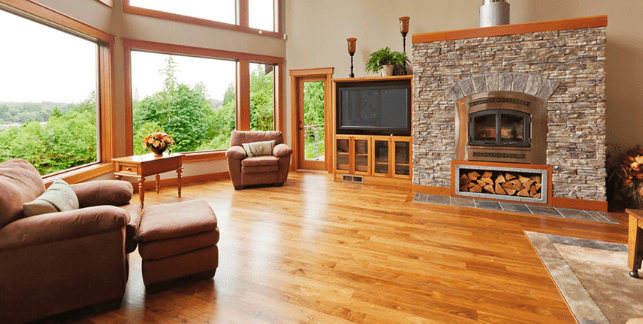
Flooring trends for 2026 emphasize warmth, durability, and authentic materials that honor sustainability. Surfaces gain texture and tactile depth with subtle patterning in timeless palettes. Recycled and responsibly sourced fibers, low-VOC coatings, and nanocoatings extend longevity while simplifying care. Modular installations and resilient finishes support flexible layouts, while acoustic-friendly, breathable compositions add comfort. The result is premium-looking, conscientious flooring that challenges conventional choices and invites further exploration of how spaces adapt over time.
What Flooring Trends Define 2026
In 2026, flooring trends converge on a balance of warmth, durability, and material authenticity. The landscape favors tactile textures, sustainable sourcing, and modular flexibility, enabling personal expression without compromise.
Recycled materials appear as authentic, stylish choices. Nanocoatings benefits extend longevity and cleanliness, supporting busy lifestyles. Designers emphasize versatility, acoustic comfort, and timeless palettes, guiding choices toward durable, breathable, and adaptable surfaces for freedom-driven interiors.
Sustainable Materials and Eco-Friendly Finishes
Sustainable materials and eco-friendly finishes are reshaping flooring choices by prioritizing low environmental impact without compromising performance or aesthetics. The shift favors renewables, responsibly sourced fibers, and low-VOC coatings, enabling stylish durability. Designers pursue transparency and lifecycle thinking, selecting materials that reduce waste and energy use. This trend champions freedom to choose ethically without sacrificing contemporary, elegant environments.
sustainable materials, eco friendly finishes.
Texture, Pattern, and Color: Elevating Spaces
Texture, pattern, and color are the levers through which flooring moves from backdrop to focal point, guiding how spaces read and feel. In 2026, designers leverage texture contrast to add tactile depth without overcrowding silhouettes, while color psychology informs mood shifts through subtle tonal ramps. The approach values freedom, clarity, and expressive restraint, balancing statement grains with versatile palettes for timeless interiors.
Smart, Durable Installations for Modern Homes
Smart, durable installations for modern homes build on the emphasis on texture and color from the previous topic by prioritizing resilient, low-maintenance surfaces that still read as intentional design statements. These choices embrace tech installation integration and durable finishes, enabling flexible layouts and quick upkeep. The trend favors timeless practicality, empowering homeowners to curate modern aesthetics without sacrificing performance or freedom of movement.
Frequently Asked Questions
How Do Cost and Maintenance Compare Across 2026 Flooring Options?
Cost comparison varies by material, with mid-range options balancing upfront price and longevity; maintenance requirements favor durable surfaces. The trend-driven view shows some flooring brands reducing long-term costs through simpler upkeep, appealing to freedom-seeking homeowners evaluating 2026 choices.
Which Flooring Choices Are Best for Extreme Climates?
Extreme climates favor durable, low-maintenance options; concrete and ceramic hold steady, engineered wood resists humidity, and porcelain fares in snowy regions and desert climates with minimal care. Exaggerated rhythms highlight resilience, freedom-minded buyers value long-term reliability and stability.
What Resale Value Impact Do Floor Trends Have?
Resale value improves when flooring trends align with buyer expectations; contemporary materials and cohesive visuals elevate appeal. The impact remains modest but meaningful, as durable, stylish choices signal quality and update readiness, guiding perception toward long-term investment rather than impulse.
See also: What Is Technology and How It Shapes Our Daily Lives
Do 2026 Trends Favor DIY or Professional Installation?
DIY installation vs professional installation tilts toward DIY in 2026 for cost-conscious projects, yet professional options remain preferred for complex materials; buyers weigh the cost vs maintenance tradeoffs while seeking trend-driven, freedom-oriented design outcomes.
How Long Is the Typical Lifespan for New Trends’ Floors?
A typical lifespan for new trends’ floors varies, but trend durability often ranges from 15 to 25 years, while design longevity may stretch beyond two decades, depending on materials, maintenance, and evolving interior aesthetics.
Conclusion
In 2026, floors become quiet storytellers—warm textures that invite barefoot exploration, like sunlit wood grain sipping on soft mornings. Recycled fibers and low-VOC finishes cradle sustainability without sacrificing luxury, while nanocoatings guard against life’s splashes and scuffs. Modular layouts unfold with flexible elegance, and breathable, acoustic-friendly layers offer room to breathe. The palette stays timeless, yet tactile depth and subtle patterns transform spaces into quiet, premium havens, where performance and conscience walk hand in hand.