The world of computer engineering is often viewed through the lens of building—creating faster processors, designing smarter circuits, or writing more efficient code. However, a massive part of a successful career in this field involves maintaining what has already been built. This is where system monitoring comes into play. For any student currently navigating the rigors of a technical degree, understanding how to track, analyze, and optimize hardware performance is not just a “bonus” skill; it is a fundamental requirement for the modern industry.
The Foundation of Hardware Health
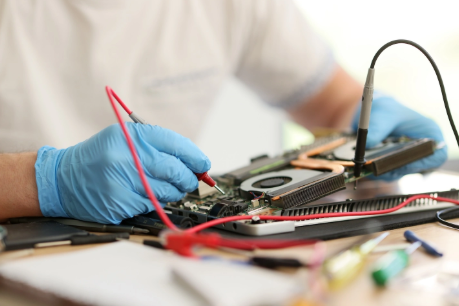
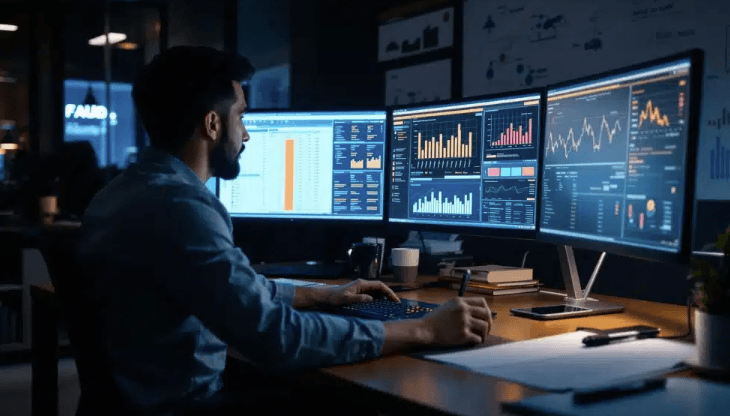
At its core, system monitoring is the practice of using specialized software to keep a constant eye on the physical components of a machine. This includes tracking CPU temperatures, clock speeds, fan voltages, and memory usage. For a computer engineer, these metrics are the “vital signs” of a system.
When you are designing a new piece of hardware or optimizing a software package to run on specific architecture, you have to know how that system reacts under stress. If the voltage spikes too high or the thermal throttling kicks in, your performance data becomes useless. By mastering tools that monitor these variables, students gain a deep, intuitive understanding of how electricity and heat interact with logic gates and silicon.
See also: What Is Technology and How It Shapes Our Daily Lives
Bridging the Gap Between Theory and Reality
In the classroom, computer engineering can feel very theoretical. You learn about instruction sets and logic circuits on paper. But when you start using monitoring tools, those theories become tangible. You can see exactly how a multi-threaded application distributes load across cores or how a memory leak slowly chokes the system resources.
This real-world application is why many students find their coursework so demanding. Moving from a textbook to a live environment is a steep climb. Often, those who feel overwhelmed by the technical depth of their projects look for reliable assignment help USA to ensure they are interpreting their data correctly and meeting high academic standards.
System Monitoring in Computer Networking
System monitoring is not limited to a single desktop or server; it is the backbone of modern networking. In a networked environment, monitoring takes on a new level of complexity. You aren’t just looking at one CPU; you are looking at data packets, latency between nodes, and the health of routers and switches.
Engineers must be able to identify bottlenecks before they crash a whole system. This requires a strong grasp of both hardware limitations and software protocols. Because this field changes so quickly, students frequently require computer network assignment help to stay updated on the latest diagnostic tools. This is where professional services from Myassignmenthelp become invaluable, as they provide the practical insights that textbooks sometimes miss.
Developing a Professional Edge
When you enter the job market, employers look for engineers who can do more than just follow instructions. They want people who can troubleshoot. A candidate who can explain how they used system monitoring to diagnose a hardware failure or optimize a server’s uptime is far more valuable than one who only knows the theory.
Learning to monitor a system teaches you patience and precision. It forces you to look at the “why” behind a crash rather than just rebooting the machine. This analytical mindset is the hallmark of a great engineer. It allows you to predict failures before they happen, saving companies millions of dollars in potential downtime.
The Role of Software in Hardware Management
Aspiring engineers should experiment with various open-source and professional monitoring utilities. Tools that provide real-time data on sensor outputs allow you to create benchmarks. By establishing a baseline for what “normal” performance looks like, you become much faster at spotting anomalies.
This skill translates directly into better coding and better hardware design. If you know that a certain instruction set causes a specific heat spike on a mobile processor, you can adjust your design to be more energy-efficient. This feedback loop between monitoring and design is what creates the high-performance tech we use every day.
Conclusion
The tech landscape of 2026 and beyond will be defined by efficiency. As we push the limits of Moore’s Law, we can no longer rely solely on making things “faster.” We must make them smarter and more resilient. System monitoring is the tool that allows us to reach that goal. For any student aiming to make a mark in computer engineering, start paying attention to the sensors. Your future career depends on your ability to listen to what the hardware is telling you.